What to Know Before You Get Dental Veneers
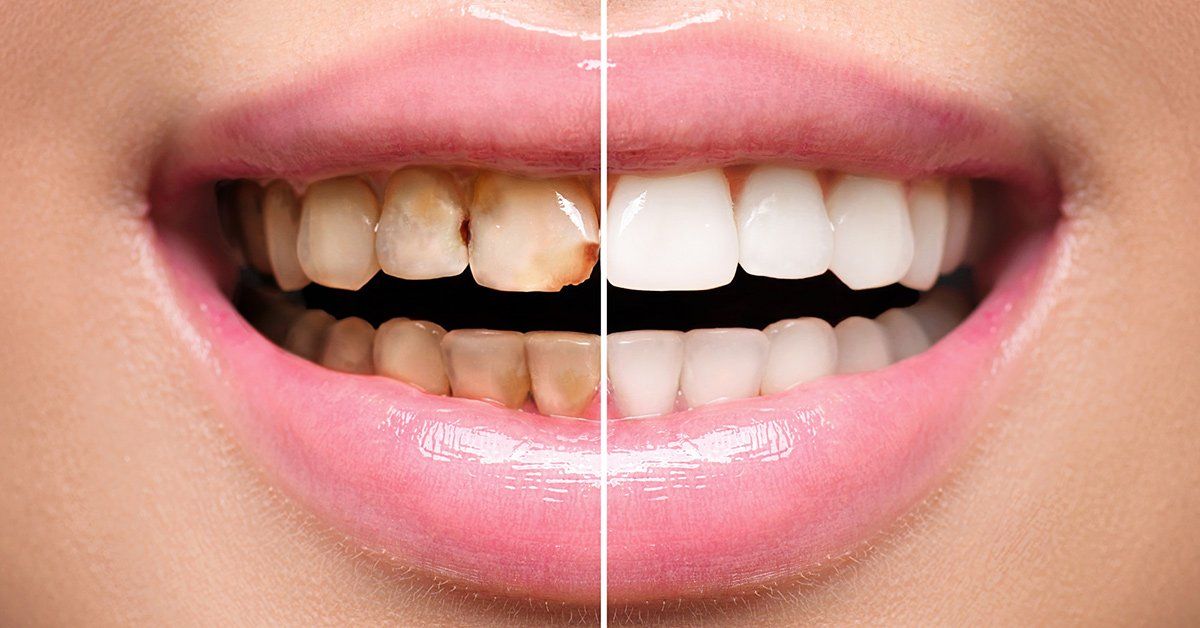
In order to enhance the appearance of teeth, thin, tooth-colored shells known as dental veneers are bonded to the front surface of the teeth. Cosmetic issues like cracked, broken, discolored, or smaller-than-average teeth can be treated with them.
Dental veneers are usually constructed of porcelain or resin
composite materials and are glued to your teeth over an extended period of
time.
When a tooth is cracked or chipped, some people may only need
one veneer, but many people need six to eight veneers to get a uniform,
symmetrical smile.
What
are the different types of veneers?
Dental veneers need extensive prep work and are often
composed of porcelain or composite resin. However, "no-prep" veneers
are also available and use a different application method.
When placing traditional dental veneers, the tooth structure
must normally be ground down, occasionally even past the enamel. dental office near by This enables
accurate installation but is also a painful, irreversible procedure that
frequently necessitates a topical anaesthetic.
The amount of teeth implicated and your dental issues will
determine how many teeth need to be reduced. A dentist may request a wax model
when numerous teeth are involved to demonstrate how veneers will appear.
Porcelain veneers
Before taking an impression of your teeth to create a mold,
some dentists will first grind your teeth down. The porcelain veneer will then
be created using the mould that was sent to a lab.
Your dentist can apply the veneer to your prepared tooth and
secure it after it is finished. Until the permanent veneers return from the
lab, temporary veneers may be worn.
Other dentists might employ CAD/CAM innovation so a computer
can create the veneer in the interim. The veneer itself can be created in your
dentist's office.
Composite resin veneers
If you decide on composite resin veneers, your dentist will
etch the tooth's surface before coating it with a thin layer of the composite
material.
It can take more composite layers than you think to get the
desired result. The composite veneer will then be hardened by your dentist
using a special light during the last step.
No-prep veneers
These include options like the particular brands of
porcelain veneers Lumineers and Vivaneers. They are easier to apply and require
less time.
No-prep veneers only affect the enamel, not the layers of
tooth beneath it. No-prep veneers frequently don't need local anaesthetics or
interim veneers.
Which type of veneer is best?
How do you determine which veneer kind is ideal for you?
You should take into account the following:
- The price and length of the installation process
- Presentation of the veneers
- Your dentist's recommendations about the durability of the veneers
Veneers:
Before and after
With a dental veneer, you may go from having a tooth that is
chipped, broken, deformed, or stained to one that is evenly shaped and
naturally coloured. You might be amazed by how much of a difference this can
make. See what to expect by looking at these before and after pictures.
How
much do veneers cost?
Because they are regarded as a cosmetic operation, veneers
aren't frequently covered by insurance. In general, the American Dental
Association estimates that you should budget between $925 and $2,500 per tooth.
Each composite veneer costs between $400 and $2,000 and
lasts for five to seven years. Traditional veneers are frequently the most
economical choice in the long run.
Your choice of veneer type, the brand name your dentist
offers, the cost of living in your area, and the dentist's level of experience
will all affect how much your veneers will cost. If you attend a clinic where
dental students are being treated by dentists on the dental school faculty, the
cost may be considerably lower.
What
are the benefits of dental veneers?
The main advantage of veneers is that they make your teeth
look better, making your smile brighter and more even. These cosmetic issues
are frequently treated with dental veneers:
cracked or fractured teeth
Teeth that are significantly discoloured or unevenly
coloured and cannot be improved by whitening Teeth that are smaller than
average Teeth that are pointed or have a unique shape
Depending on the type of veneer you select, they can endure
for more than ten years, making them a semi-permanent investment that can boost
your confidence in your smile.
How to prepare for your appointment
You will schedule a consultation appointment with your
dentist before to getting your veneers so that you may decide which options are
best for you and how many veneers you wish to have applied. You might need
braces in some situations if your teeth are misaligned or uneven before your
dentist can apply veneers.
At this point, your dentist will frequently take X-rays to
assess the condition of your teeth. They'll search for indications of tooth
decay, gum disease, or the requirement for root canal therapy. You might not be
a candidate for veneers if you have any of these conditions.
How are veneers put on teeth?
After your dentist produces your mold, it normally takes 1
to 2 weeks for the lab to produce your veneers and return them to you.
You can make an appointment to have your veneers installed
once they are ready. Your dentist checks the fit, shape, and colour of the
veneers at this session to make sure they're ideal for you.
Your teeth are then expertly cleaned by your dentist. This
is crucial because it prevents decay-causing microorganisms from becoming stuck
under the veneer.
Other damage
If you chew the ice in your drinks, which might shatter your
teeth, or if you add citrus to your beverage, the risk of tooth damage from
alcohol is enhanced. Even a squeeze of lemon, according to the American Dental
Association, can destroy tooth enamel.
one researchHowever, Trusted Source did come to the
conclusion that red wine destroys oral streptococci germs, which are linked to
tooth disease. Having said that, avoid starting to drink red wine for this
reason alone.
Comments
Post a Comment